
Market Supply
Aluminium Windows for Southeast Asia: Heat, Salt and Volume Supply
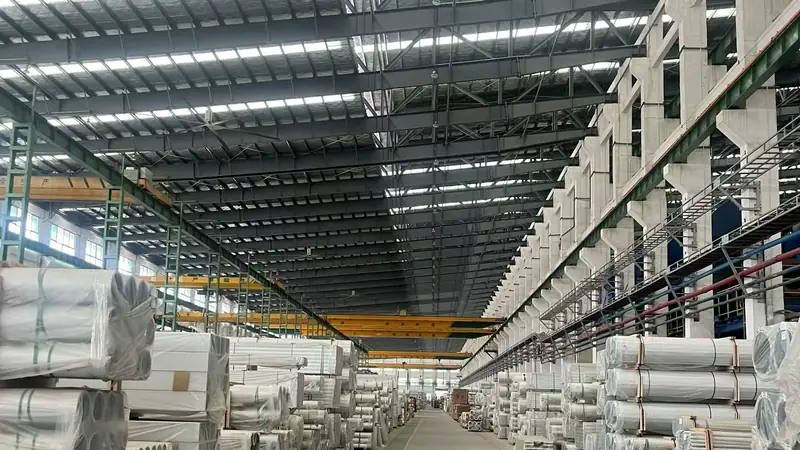
A wet season does more to an aluminium window than the sun does. Heat swings the frame daily, humidity works on every gasket line, and salt and dust find the drainage path before anything else. That combination is what a Southeast Asian specification has to answer, and it is why finish and sealing choices decide how a window looks after five years. Adam Alux Systems has extruded aluminium windows and doors since 1997 at three production bases in China.

SOUTHEAST ASIA · DEEP OVERHANGS
The climate problem in one paragraph
Southeast Asian sites run hot, wet and salty, often all at once. Coastal cities add salt spray and a monsoon-driven rain load that arrives sideways, so water reaches gaskets and drainage channels instead of running down a face. Inland industrial districts swap the salt for dust, which settles in tracks and sealing lines and grinds at hardware. Indoor humidity stays high year round, so condensation forms on the frame as well as on the glass.
What the climate changes in the specification
Finishing comes first, because salt and UV attack a thin coat from the edges inward. Fluorocarbon is the finish coastal work points at, and Adam Alux runs it alongside anodised and thermal transfer, with RAL matching and two-tone exterior and interior faces on request. Anodised is the lower-cost answer inland, where the salt load is light.
Sealing decides whether a frame drains or holds water. The window series run EPDM foam gaskets and open drainage, and the drainage is open for a reason: on a driven-rain site a closed pocket collects water, while an open path sends it out of the bottom rail. Opening type matters too. A slider drains its track through weep paths, and a hinged leaf depends on the gasket line and the compression the hardware holds.
Range fit by budget tier
The entry tier covers volume residential work. The 50 series aluminium casement window is drawn at 50 mm with a 1.2 mm wall and a 5-20 A-5 insulating unit as standard, and an insect screen in high-transparency mesh is fitted as standard, which matters in a region where screening is not optional. The 35x16 minimalist aluminium sliding door covers interior and patio openings on a slim frame with automotive-grade tempered glass in every sash.
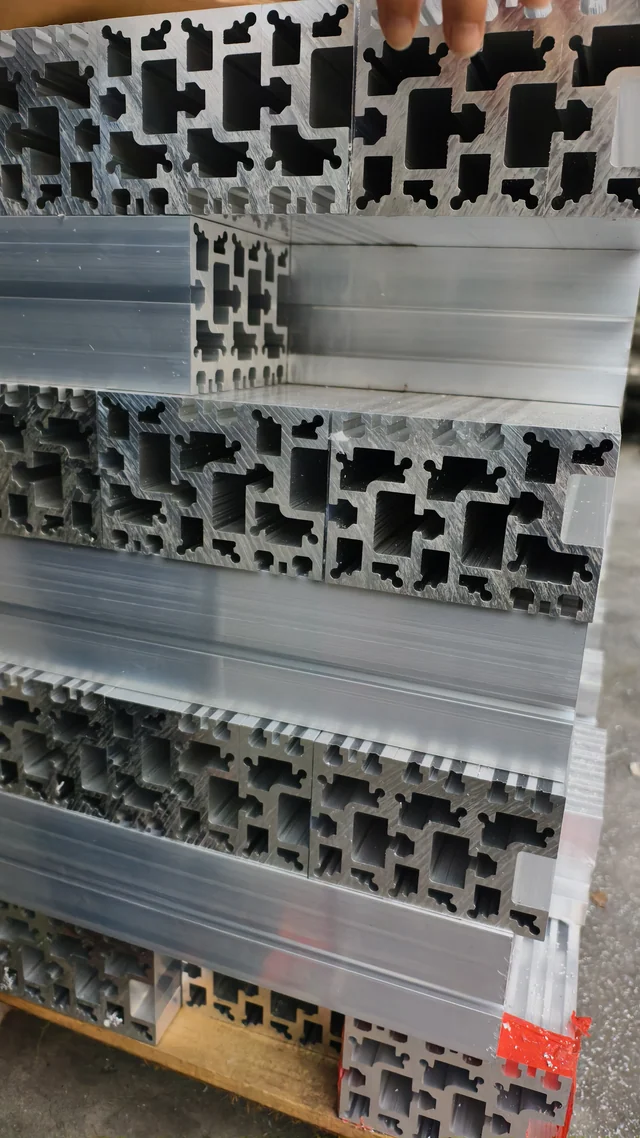
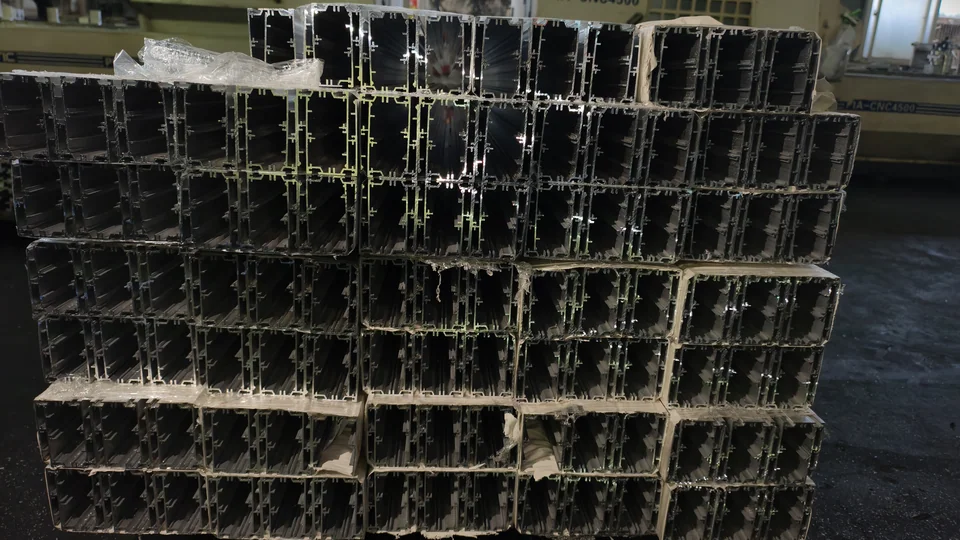
The step-up tier answers heat and wind. The 112 series thermal break casement window carries five chambers, a polyamide bridge and a 2.0 mm wall on a 5-20 A-5 unit. The 118 series casement window adds a sixth chamber on the same wall thickness for larger lights. Each series is 6063-T5 primary aluminium, extruded in house, and every quotation is priced against the opening it has to fill.
Containers, modules and ports
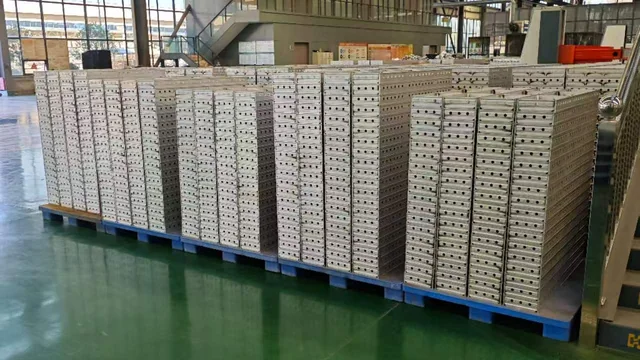
Supply runs as FCL containers, filled to export standard. Module size is the first planning number, because an opening wider than a sensible panel is built as more panels, and that decision changes the packing plan and the box count. Windows and doors ship with the dimensional pack on PDF and CAD drawings on request, so a site can check module sizes against the structural opening before the container lands.
A sample profile set and one finished test window or door can go ahead of the main order. That is the cheap way to settle a finish against local daylight before committing a container.
What to send
Send the opening sizes, the unit count for each, the destination port and the finish direction. If the project is coastal, say so, because it changes both the finish recommendation and the sealing detail. From that the factory quotes the series, the glass, the finish and the packing, and confirms the engineering against the project. Lead times are confirmed with the quotation.
FAQ
Frequently asked
Which series suits a coastal site in the region?
Coastal work points at fluorocarbon and at a frame that drains. The 50 casement window covers volume residential openings at 1.2 mm wall, while the 112 and 118 casement lines add a polyamide thermal break and a 2.0 mm wall for exposed elevations. The finish and sealing detail are confirmed against your project at quotation.
What glass comes as standard?
The window range ships with 5-20 A-5 insulating glass as standard, with single or triple builds on request. The 112 runs on a 5-20 A-5 unit and the 118 on a 5-27 A-5 unit, the two deepest casement lines in the range. Sun load and air-conditioning duty decide which build suits a given facade, and the exact glazing is confirmed at quotation.
How does the frame handle heat and humidity?
Finishing, gaskets and drainage carry most of the work. Fluorocarbon and anodised finishes resist UV and salt at the coating edges, EPDM foam gaskets hold the sealing line through humidity swings, and open drainage lets water and grit leave the frame at the bottom rail instead of collecting inside it.
How are windows packed for shipping?
Orders move as FCL containers, filled to export standard. Module size drives the packing plan, so an opening that needs more panels instead of a longer one is quoted that way. A dimensional pack on PDF, with CAD on request, lets the site prepare the openings before the container lands.
Can you supply under our own brand?
Yes. OEM and ODM supply includes private-label packing and export-standard containers, so units arrive under the customer's name. Profile, finish and hardware are matched to the drawing, and a sample profile set or one finished test window can be sent before the main order.
Product lines
Series configured for Southeast Asia
Each line below has a Southeast Asia page: the catalogue specification plus the notes on heat, humidity and container loading the region runs on.
Projects in Southeast Asia
villa · day scene
Tropical house, deep roof overhang
Deep roof overhangs shade the sliding doors and keep the terrace usable through the wet season.

hotel · day scene
Resort hotel, pool frontage
Low-rise blocks set behind an infinity pool, with framed glazing opening the ground floor to the deck.

villa · day scene
Townhouse, timber screens
A compact two-storey volume around a planted courtyard, with timber screens filtering the street side.
Send your opening schedule
Series, glazing and finish come back as one quotation, with the full dimensional pack on PDF and CAD on request.