
Guides
Guides: Choosing, Specifying and Importing Aluminium Windows
These guides cover the decisions that stand between a drawing and a delivered container of aluminium windows and doors: which section, which glass, which documents, which questions to put to a factory. They are written for buyers rather than for a design audience, and each one ends with the numbers a quotation needs.
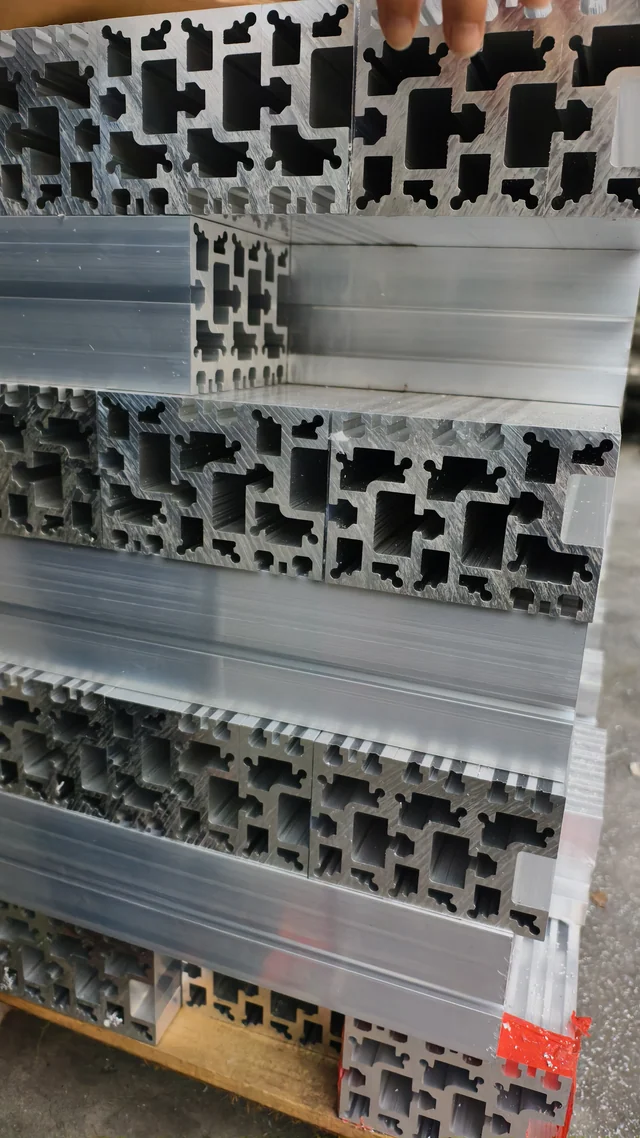
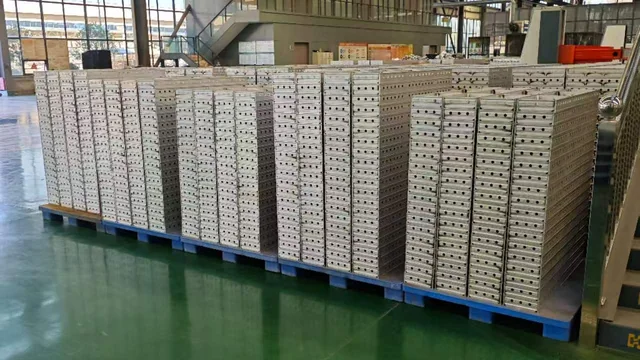
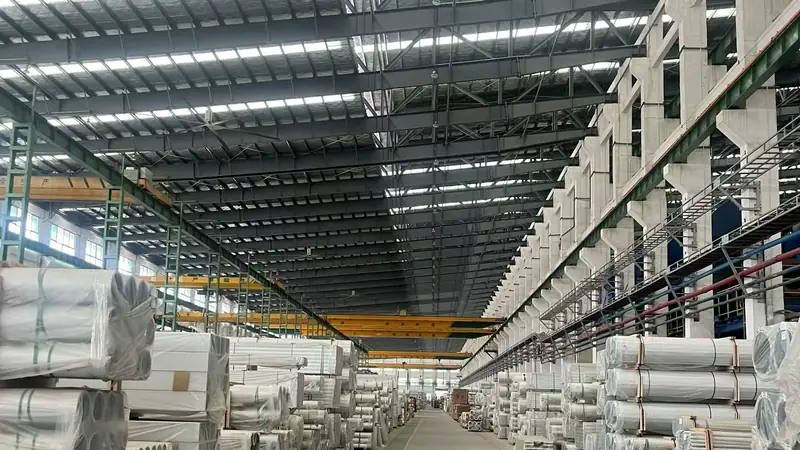
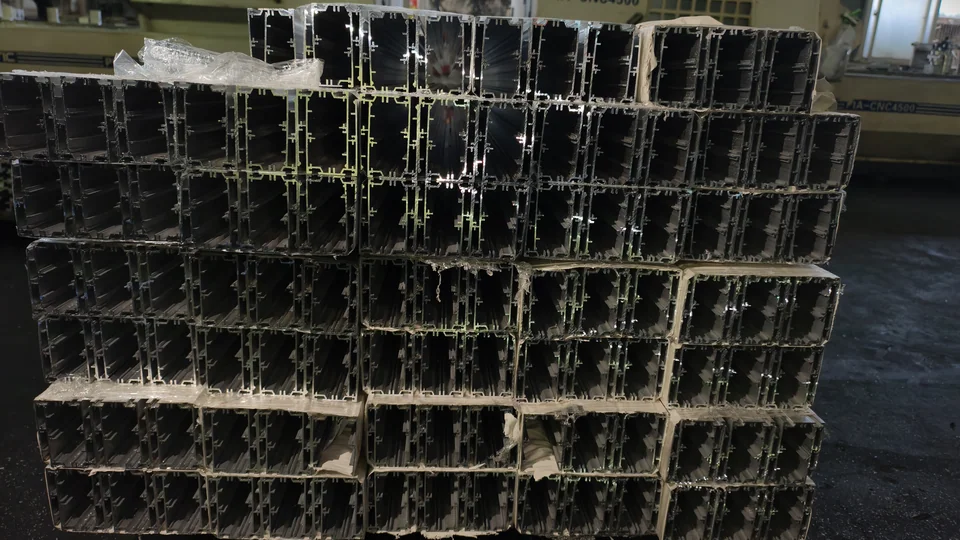
PLANT · EXTRUSION HALL
How to use these guides
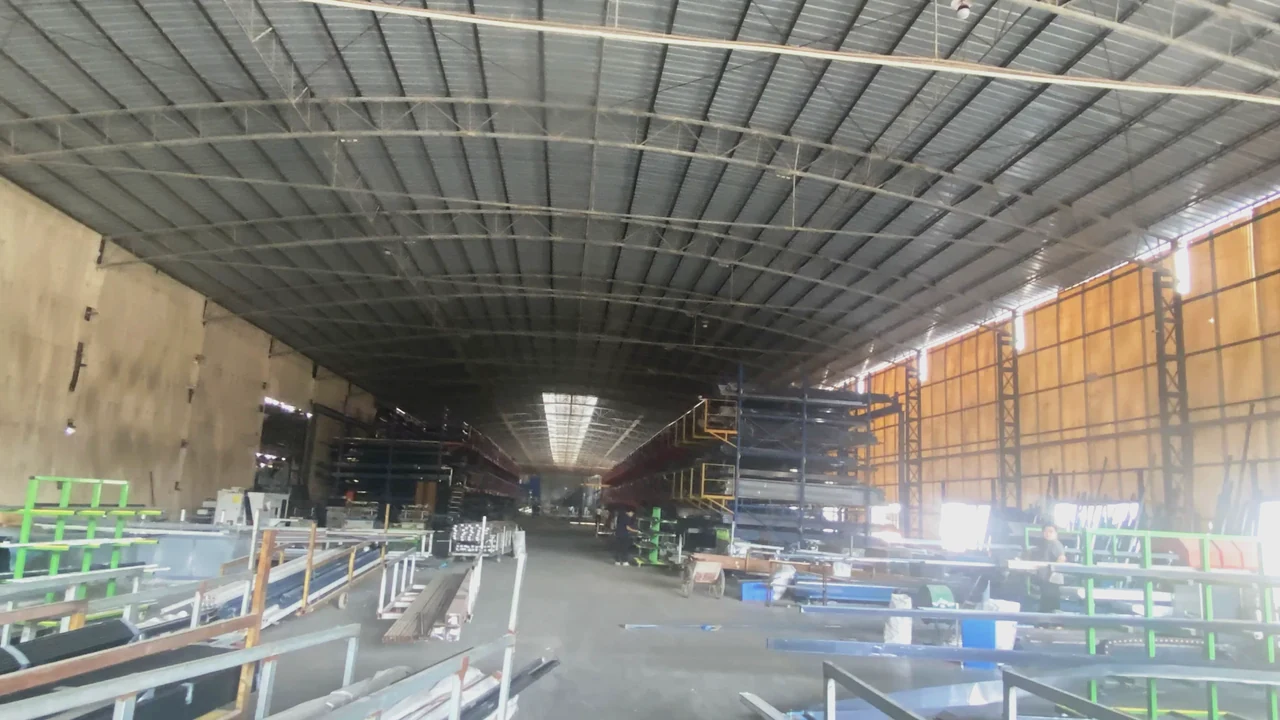
Each guide takes one decision, explains what the numbers mean, and marks the point where a project figure has to replace a catalogue figure. Where a value comes from the product catalogue it is labelled as a catalogue rating, and where a limit is quoted against the opening it says so. Nothing here is written to close a sale on a single series. Adam Alux Systems has been in production since 1997, with three production bases in China and 35 series across doors and windows.
Browse
The guide library
Sliding Window Profiles: How the Sections Work
How sliding window profiles work: track layouts, sash depth, wall thickness, rollers, drainage, sealing and glass fit, with the Adam Alux 95 series.
Read the guideCasement vs Tilt and Turn Windows: Mechanics and Trade-offs
Casement and tilt-turn windows compared on mechanics, sealing, ventilation, hardware load and glazing limits, and where the Adam Alux casement range fits.
Read the guideCast Aluminium Entrance Doors: A Buyer's Guide
Cast and extruded entrance doors compared on section thickness, joints, sight-lines, hardware load and finishing, and the documents to request first.
Read the guideCurtain Wall Types: How Four Systems Compare
Stick-built, unitised, structural glazing and point-fixed curtain wall types compared on assembly logic, tolerances, glazing size, water management and cost.
Read the guideHurricane Impact Windows: What US Requirements Actually Cover
What US hurricane impact window requirements cover: glazing build-up, frame stiffness, code references, and the spec details an importer should confirm.
Read the guideCyclone Rated Windows in Australia: Reading the Regime Before You Specify
How Australian cyclone window requirements are structured: wind regions, AS 2047 testing, AS 1288 glazing, and what documentation a supplier must hand over.
Read the guideGlazing for Hot Climates: Choosing Windows That Hold Up
How glazing performs in hot climates: solar heat gain, U-value and SHGC, insulating units, drainage and dust, coastal salt, and tinted or reflective glass.
Read the guideHow to Import Aluminium Windows from China: Eight Steps
Eight steps to import aluminium windows from China: specification, quotation pack, samples, production checks, container packing, customs and site handover.
Read the guideHotel Lobby Entrance Door Specification: a Scene Walkthrough
A rendered entrance scene read as a specification: leaf build, thermal-break frame, hardware schedule, finish and the steps to replicate it on your opening.
Read the sceneVilla Terrace Glazing: a Six-Track Sliding Scene
A rendered panorama glazing scene read as a specification: six-track layout, sash travel, glass build-up and the steps to replicate it.
Read the sceneHotel Corridor Fire Door Specification: a Scene Walkthrough
A rendered hotel corridor scene read as a fire door specification: egress width, rating class, the leaf, frame and hardware set, and how to replicate it.
Read the sceneOffice Facade Glazing: 118 Series Modules
A rendered corner glazing scene read as a facade specification: module repetition, six-chamber thermal-break section, glass build-up and how to replicate it.
Read the sceneHow to Specify Aluminium Windows: From Opening to Order
Specify aluminium windows in order: opening data, profile depth and wall, glazing build-up, hardware, finish, and the pack a factory should return.
Read the guideHow to Choose an Aluminium Window Supplier
Seven checks for choosing an aluminium window supplier: in-house extrusion, dimensional packs, sample discipline, finish control, capacity and OEM terms.
Read the guideImport Duties and Tariffs on Aluminium Windows
How aluminium window import duties work: HTS 7610.10 classification, the US base rate with Section 232, Australia's route, and the landed cost lines.
Read the guideThermal Break Windows: What the Break Does
What a thermal break window is, where heat crosses the frame, when the non-metal barrier matters, and how to spot the break on a section drawing.
Read the guideAluminium Window Factory Capability: What to Verify
In-house extrusion since 1997, three production bases, a 254-route catalogue, dimensional packs, samples and CE attestation under EN 14351-1.
Read the guideWindow Hardware Checklist: Items to Confirm
A window hardware checklist: handles, hinges, multi-point locks, rollers and closers, with the ratings and cut-out details to confirm per sash.
Read the guideAnodised vs Powder Coated vs Thermal Transfer Finishes
Anodised, powder coated and thermal transfer finishes compared on durability, colour range, RAL matching and hot-zone care, with Adam Alux samples.
Read the guideDouble vs Triple Glazing in Aluminium Windows
Double and triple glazing compared on insulation, sound, weight and hardware load, with the 95 series build-up and cavity rules explained for specifiers.
Read the guideReading Aluminium Window Drawings: A Pack-Wide Method
Read an aluminium window drawing pack in order: overall sizes, sash depth, wall thickness, glass line and drainage, with the checks that catch mismatches.
Read the guideWhat Drives Aluminium Window Lead Times
What shapes aluminium window lead times: the production sequence, the factors that extend it, and the controls that keep a project on schedule.
Read the guideAluminium Window Maintenance Compared with Timber and PVC
Aluminium window maintenance: gasket checks, roller care, drainage clearing, screen cleaning and finish care, and how it differs from timber and PVC.
Read the guideStart with the decision that moves the money
Window choice usually turns on the opening type, because a casement, a slider and a panorama system solve different problems and carry different hardware. Door choice turns on the leaf and the frame together, since an entrance leaf and a corridor fire leaf are separate specifications even when they share a finish. Climate and code come next: hurricane and cyclone requirements change the glazing and the fixing, and a hot climate changes the glass build-up more than it changes the section.
The guide library
- /guides/sliding-window-sections/ Sliding Window Sections: How Track Count Changes the Opening
- /guides/casement-vs-turn-tilt/ Casement Against Turn and Tilt: Hardware, Sealing and Which Opening Fits
- /guides/cast-aluminium-entrance-doors/ Cast Aluminium Entrance Doors: What a Buyer Should Check Before Ordering
- /guides/curtain-wall-types/ Curtain Wall Types: Stick, Unitised and Semi-Unitised Compared for Cost and Site Work
- /guides/hurricane-impact-windows-us/ Hurricane Impact Windows for the USA: Ratings, Testing and Approval Routes
- /guides/cyclone-rated-windows-australia/ Cyclone Rated Windows for Australia: Wind Regions and the Evidence Buyers Ask For
- /guides/glazing-hot-climates/ Glazing for Hot Climates: Glass Build-Up, Solar Control and Profile Choice
- /guides/import-aluminium-windows-from-china/ Importing Aluminium Windows from China: Documents, Packing, Duty and Site Handover
- /guides/case-hotel-entrance/ Scene Case: A Hotel Lobby Entrance Door Specification Walkthrough
- /guides/case-residential-windows/ Scene Case: Six-Track Panorama Glazing on a Residential Terrace Elevation
- /guides/case-hotel-corridor-fire/ Scene Case: Fire Door Specification for a Hotel Guestroom Corridor
- /guides/case-office-facade/ Scene Case: Office Facade Glazing Specified on the 118 Series Module
How Adam Alux supplies
Adam Alux Systems manufactures and exports aluminium windows and doors, in production since 1997, with three production bases in China. The range covers 35 series, 28 of them doors and 7 windows, extruded in-house in 6063-T5 primary aluminium. Windows ship with insulating glass at 5-20A-5 as standard; doors ship with automotive-grade tempered glass, and the exact glazing is fixed per project. Finishes run to anodised, thermal transfer and fluorocarbon, with RAL matching and two-tone on request. Every quotation carries a dimensional pack as a PDF, with CAD on request, and a sample profile set plus a finished test unit can be reviewed before an order. The CE attestation is EN 14351-1, no. M.2024.206.C101817.
FAQ
Frequently asked
Who are these guides written for?
Importers, developers, fabricators and OEM partners who buy aluminium windows and doors and have to make a specification decision. Each guide takes one decision, explains what the numbers mean and marks where a project figure has to replace a catalogue figure.
Do the guides cover country requirements?
Two of them do in detail: hurricane impact requirements for the United States and cyclone ratings for Australia. A third covers glazing for hot climates. Local rules differ by state and region, so each guide explains the framework and the quotation confirms what applies to your project.
Where do the scene case guides get their images?
From rendered application scenes already published with the product catalogue. Each scene is a render rather than a photograph of a built property, and each case guide reads it for the specification logic: which series is used, how the glass and the finish are fixed, and what to send for a quotation.
Can you supply against a specification we write?
Yes. Every quotation comes with a dimensional pack as a PDF, and CAD drawings are available on request. A sample profile set and a finished test unit can be reviewed before an order, and OEM and ODM supply with private-label packing is standard across the range.
Send your opening schedule
Series, glazing and finish come back as one quotation, with the full dimensional pack on PDF and CAD on request.