
Guides
Cyclone Rated Windows in Australia: Reading the Regime Before You Specify
Australia does not sell cyclone rated windows as a single product. The rating follows the wind region, the terrain and the building height, so the same window detail can be compliant on one site and short on the next. This guide walks through how the Australian regime is structured, what the main standards test, and what a supplier has to hand over for a certificate to mean anything on a specific project.
Cyclone regions and wind classes
The Australian wind-load standard, AS/NZS 1170.2, splits the country into wind regions. The northern coastline, including much of Queensland, the Northern Territory and the north of Western Australia, sits in the cyclone-affected regions. Those regions are further divided by terrain category, shielding and height above ground, and those adjustments produce the design wind pressure for a given site. The number that ends up on the drawing is not a region label; it is a pressure the structural engineer calculates, and every window schedule should quote it. Two houses in the same suburb can carry different pressures if one sits on a ridge and the other is sheltered.
What AS 2047 tests
AS 2047 is the standard for windows and external glazed doors in buildings. It defines performance grades for structural adequacy under wind load, water penetration resistance and air infiltration. For a cyclone area the wind-load grade is the part that matters most, because it sets the test pressure the assembly must survive without permanent deformation or failure. The grade is expressed on the standard's own scale, and the window is tested as an assembly: frame, sash, hardware and glazing together. A profile extruded to a printed wall thickness is not evidence on its own. The evidence is the test showing a finished unit holding its grade.
Where AS 1288 fits
AS 1288 covers glazing selection in buildings, including glass thickness, type and the support conditions the frame must provide. It works alongside AS 2047: the wind standard fixes the load, the glazing standard fixes what glass can carry that load at the given span and edge support. For a cyclone-rated line the two have to agree on the largest pane in the schedule. That is why a supplier cannot quote a rating for a series and stop there. The glazing build-up, the span and the frame's edge support all feed one result.
What cyclone rated has to mean on a specification
On a cyclone-area project the specification should name the design wind pressure from the structural engineer, the AS 2047 grade required for each window type, the glazing type and thickness under AS 1288, the frame series with wall thickness, the hardware, and the fixing method. It should also state the largest glass size allowed for each grade, because ratings fall away as panes get wider. A line that reads cyclone rated without a pressure, a grade and a maximum size tells an installer nothing he can build to.
Documentation to demand from a supplier
Ask for the test certificate that covers your configuration, not the brand. A certificate for a series is useful only if it lists the same frame, glazing build-up, hardware and sash size you are ordering. If your largest light is bigger than the tested sample, the certificate does not reach it, and the honest answer is a new test or a redesigned opening. Request the certified size range, the wind grade achieved, the water and air grades, and the frame and glazing details as tested. For a project audit, this file is what the certifier reads.
How Adam Alux handles an Australian specification
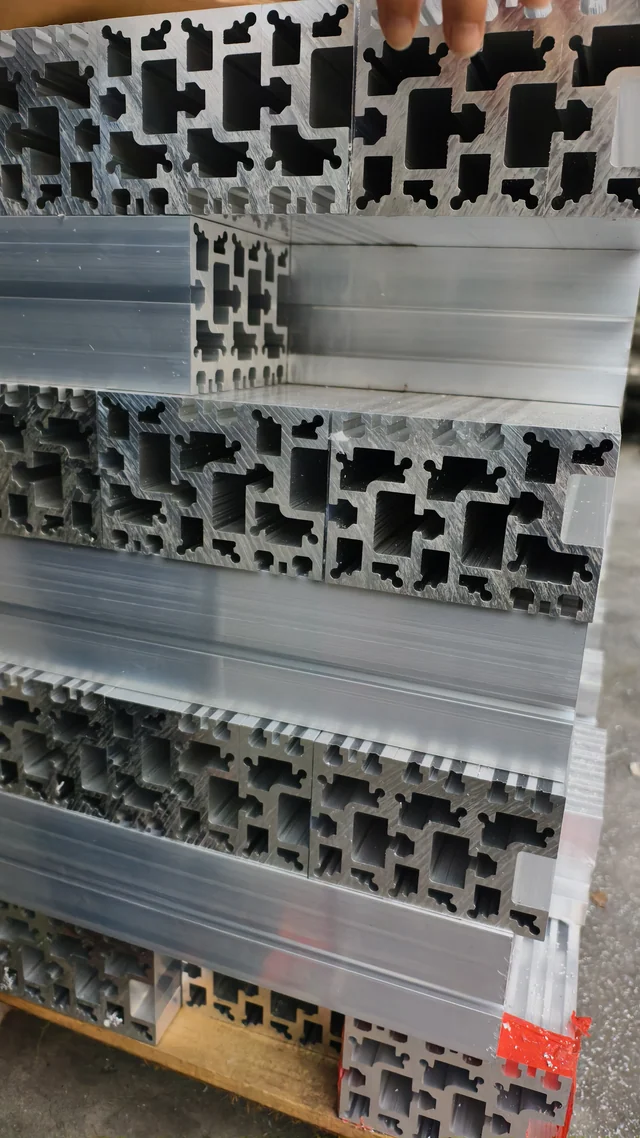
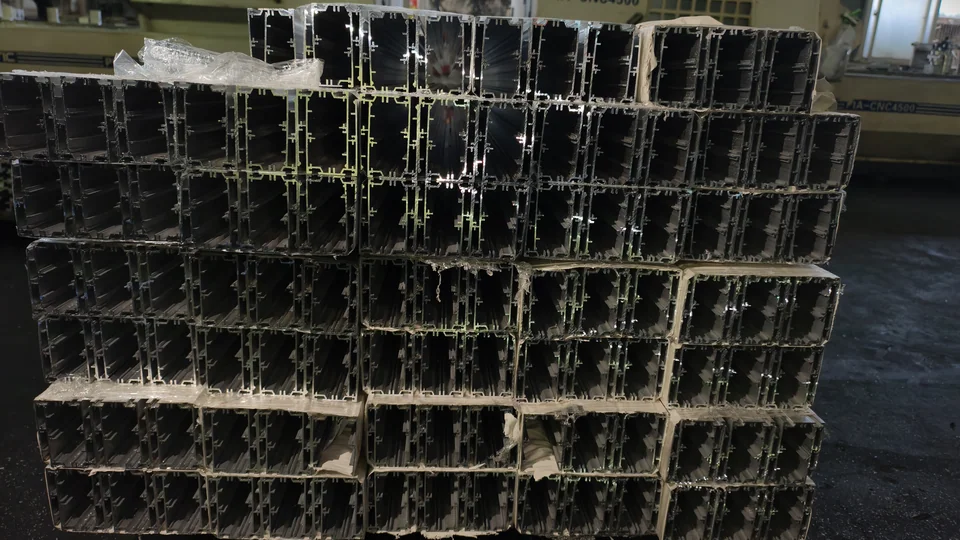
Adam Alux Systems manufactures aluminium windows and doors in China, in production since 1997 across three production bases, and extrudes its 35 series in-house in 6063-T5 primary aluminium. For an Australian cyclone project the exchange is engineering: the frame series and glazing build-up are matched to the design wind pressure from your engineer, and that match is confirmed at quotation against your opening schedule. The company holds CE attestation to EN 14351-1, number M.2024.206.C101817, which is a European product attestation. It is not an AS 2047 certificate, and we do not present it as one. Engineering is confirmed against your project at quotation, and a sample profile set and a finished test unit are available on request so the assembly can be checked before production.
Practical takeaways for the schedule
Fix the design wind pressure before you shop for windows, because it drives the grade. Keep one window type per grade where you can, so a single test file covers the order. State the maximum glass size for each type, and hold the installer to the fixing method in the certificate. Keep the frame, glazing and hardware locked to the tested set, and treat any change as a fresh approval. On a coastal cyclone site, put the finish system in the same review, since salt exposure is the long-term variable sitting beside the wind load.
FAQ
Frequently asked
Are cyclone rated windows only needed in the far north?
The cyclone-affected wind regions cover the northern coastline, but wind-load grades apply across Australia. A site outside those regions still has a design wind pressure, and windows must meet the grade it produces. The difference is the pressure the engineer calculates, rather than whether any wind requirement applies at all.
What is the difference between AS 2047 and AS 1288?
AS 2047 sets the performance of the window and door assembly, including its structural grade under wind load. AS 1288 sets how glazing is selected to carry load at a given span with a given edge support. A compliant window needs both: the frame tested to its grade, and the glass within the span the frame was tested with.
Can you supply a certificate for the whole series?
A certificate describes a tested configuration, not a catalogue. If your window uses the same frame, glazing build-up, hardware and sash size as the tested sample, the result applies. Where your light is larger or the glass stack differs, the result does not reach it. Request the certified size range and the details as tested so the two can be matched.
Does a cyclone rating cover water and air as well?
AS 2047 grades structural, water penetration and air infiltration separately, and a cyclone-area specification normally sets all three. A unit can pass wind load and still need work on drainage or sealing to meet the water grade. Ask for all grades on the certificate, together with the frame and glazing details they were achieved with.
How does the finish system relate to a coastal cyclone site?
Salt air attacks the coating and the seals over years, so the finish is part of the durability review. Adam Alux supplies anodised, thermal transfer and fluorocarbon finishes with RAL matching, and two-tone on request. Which one suits the exposure is confirmed against the project, and the drainage and gasket details sit in the same conversation as the wind grade.
Keep going
Related in the range
Send your opening schedule
Series, glazing and finish come back as one quotation, with the full dimensional pack on PDF and CAD on request.