
Guides
Import Duties and Tariffs on Aluminium Windows
A container of aluminium windows can clear customs in a day or hold up a project, and the difference is usually decided before the goods are loaded. Classification, origin evidence and the invoice description all travel with the shipment, and each one is checked against the others at the border. This guide sets out how aluminium windows are classified, how the United States, Australia, Southeast Asia and Africa treat them, and how to build a landed cost estimate that survives contact with the invoice.
Start with the tariff heading
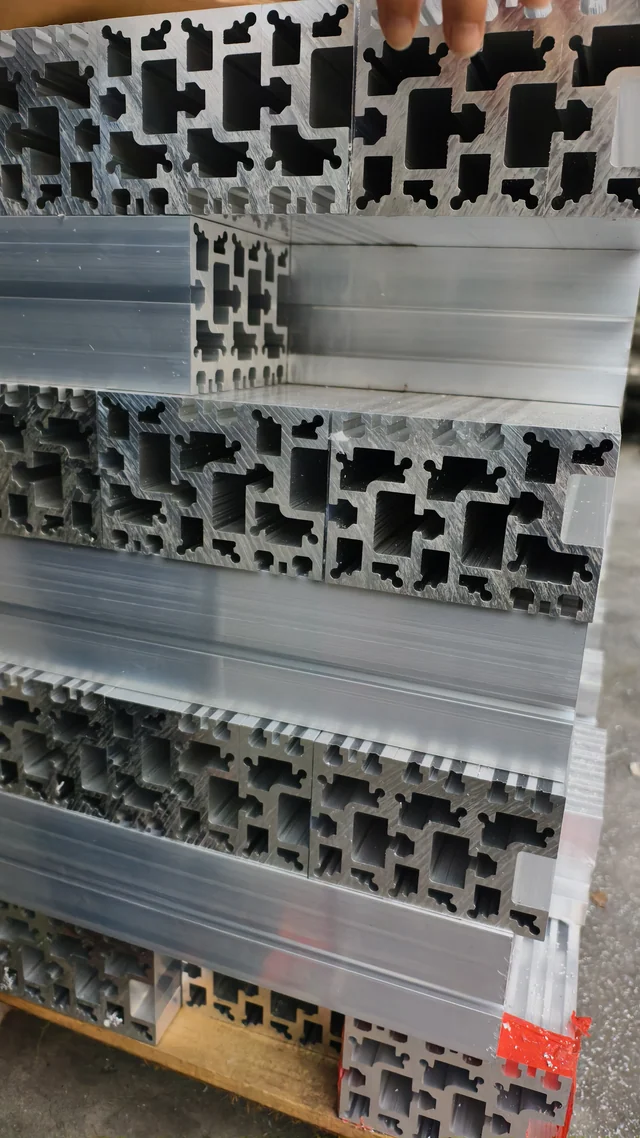
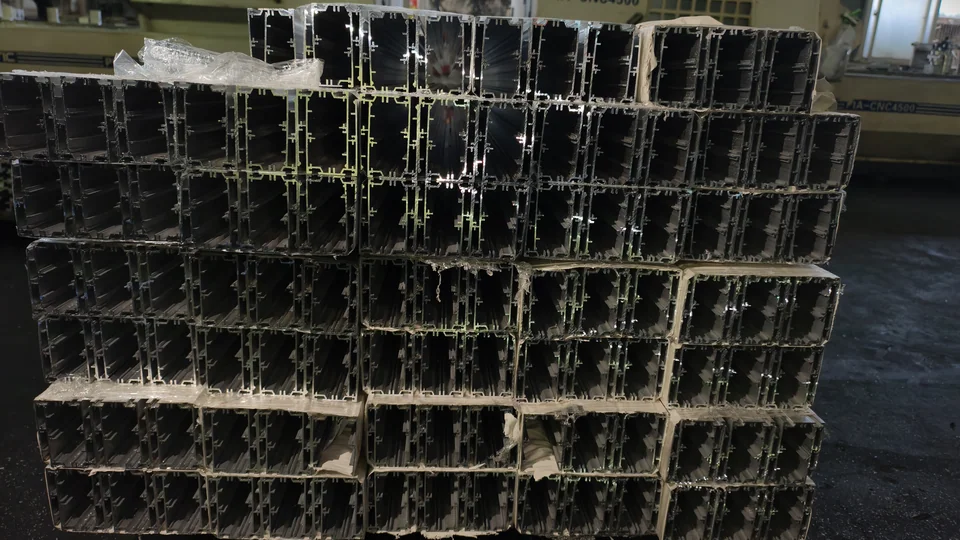
Aluminium windows and doors sit under heading 7610, and subheading 7610.10 covers doors, windows and their frames. Classification turns on what is in the container: a complete window with glass, gaskets and hardware behaves differently from bare frame profiles shipped as lengths of extruded aluminium. That difference decides the duty and the documents a broker asks for. Describe the goods on the invoice the way they are packed, item by item.
United States: base rate and Section 232
In the United States the base rate for window and door products under 7610.10 is 5 percent on an MFN basis. Aluminium products also carry Section 232 measures: a June 2025 proclamation announced an addition of 50 percent on full value, and 2026 guidance describes the range as 10 percent to 50 percent. The operative figure depends on the entry date and on the product itself. Confirm the current rate with your broker at import, rates move.
Australia: classification and origin rules
Australia classifies imported windows and doors through its own tariff, and for goods from China the applicable trade agreement arrangements decide the treatment. The practical route is to confirm the classification code with a broker and then check whether the goods qualify under those rules, which turn on origin and on the documents that prove it. No duty figure here is a quote. The code, the origin evidence and the date of entry decide the outcome.
Southeast Asia and Africa: country by country
There is no single tariff answer for Southeast Asia or Africa. Each destination runs its own customs code and its own duty and value-added tax treatment, and the same window can land on different codes in two neighbouring countries. Work from the destination code, the origin documents and the invoice description, and let a broker in that country confirm the entry. Keep one classification per destination on file instead of reusing a regional code.
The compliance pack that clears the container
The documents travel with the goods and have to agree with each other. Put the classification code on the commercial invoice, beside a plain description of each item. The packing list should break the container down by item and quantity, so an inspection can reconcile what is inside against what is declared. Keep the certificate of origin with the rest, because origin decides the treatment more often than the product description does. One mismatch can hold the entry.
Landed cost and where the money goes
Landed cost is duty plus value-added tax plus freight and local charges, and each line behaves differently. Duty follows classification and origin. Value-added tax follows the dutiable value plus duty, which is why a modest headline duty rate can still produce a large tax line. Freight depends on packing and loadability, so a well-packed container spreads sea freight over more windows. Send the tariff question to a broker before the container is booked, and keep the classification code on the invoice.
FAQ
Frequently asked
What tariff code covers aluminium windows?
Heading 7610, with subheading 7610.10 for doors, windows and their frames. The subheading applies whether the window arrives glazed and finished or as a bare frame. The invoice description and the packing list should match what is actually in the container, because classification is decided on the goods as presented.
What does a US importer pay on aluminium windows?
A base MFN rate of 5 percent under 7610.10, plus Section 232 measures on aluminium products. A June 2025 proclamation announced an addition of 50 percent on full value, and 2026 guidance describes a range of 10 percent to 50 percent. Confirm the current rate with your broker at import, rates move.
How are duties handled in Australia and Africa?
Destination by destination. Each country applies its own customs code, duty and value-added tax, and origin rules decide the treatment. Australian, Southeast Asian and African entries are confirmed with a local broker against the code and the origin documents. There is no regional figure, so keep a classification per destination.
What documents should travel with a shipment?
A commercial invoice carrying the classification code and a plain item description, a packing list that breaks the container down by item and quantity, and a certificate of origin. The three have to agree with each other and with the container. Adam Alux ships the dimensional pack with the quotation, which gives the broker the part breakdown a classification needs.
How do I estimate landed cost?
Add duty, value-added tax and freight with local charges. Duty follows classification and origin, value-added tax follows the dutiable value plus duty, and freight follows packing and loadability. Build the estimate from all three lines, then compare suppliers on the total, because unit price alone hides the tax and freight difference.
Keep going
Related in the range
Send your opening schedule
Series, glazing and finish come back as one quotation, with the full dimensional pack on PDF and CAD on request.