
Market · Australia
110 6-Chamber Casement 2.0 for Australia
The 110 Series 6-Chamber Casement Window 2.0 is configured here for Australia. The figures below are the published catalogue specification of the series; the market section covers what projects in Australia add to it. Send the opening schedule and the glazing you want, and the quotation comes back with the dimensional pack.
110 Series 6-Chamber Casement Window 2.0 · Australia
110 Series 6-Chamber Casement Window 2.0
The 2.0 step-up: 6 chambers, 2.0 mm, same module. The complete configuration, glass options and finish list are on the window series page.
- Opening
- Casement (hinged), multi-point lock
- Profile depth
- 110 mm
- Chamber structure
- 6 chambers, polyamide thermal-break bridge
- Wall thickness
- 2.0 mm
- Insulating glass
- 5 mm - 20 A - 5 mm · single / double / triple
- Sealing
- EPDM foam gaskets, open drainage
- Insect screen
- High-transparency mesh, standard
- Standard finishes
- Thermal transfer: sand grey, coffee · metallic grey int. · RAL and two-tone on request
- Dimensional pack
- Supplied with quotation
Engineering
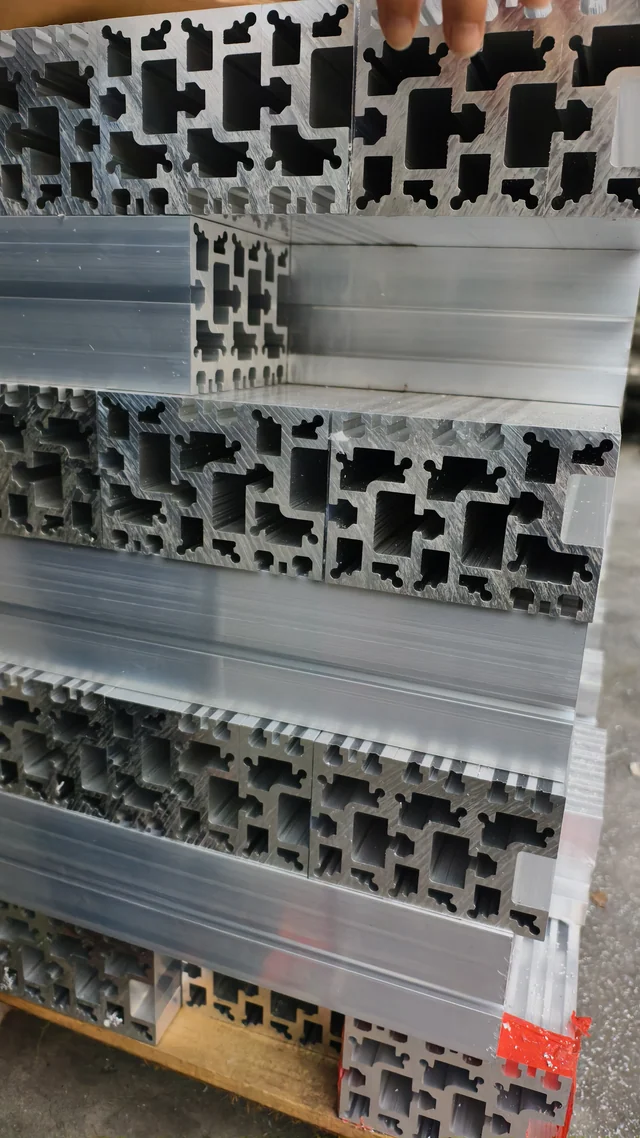
6063-T5 A-grade primary aluminium · high strength, high crack resistance
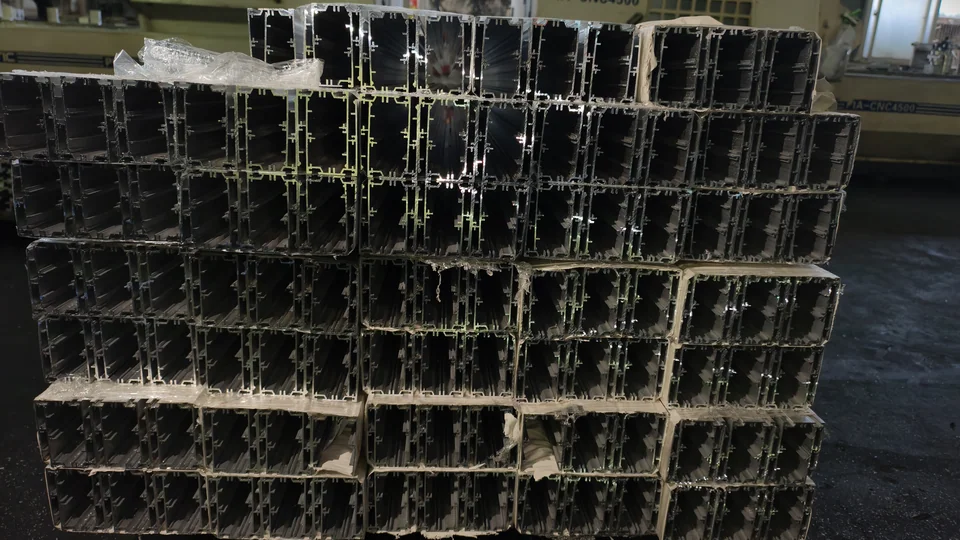
Multi-chamber profile body: layered sound insulation, thermal blocking, higher pressure resistance
5 mm insulating glass with integrated bent spacer bars
Thermal-break design forming an effective cold/hot bridge barrier, cutting overall energy use
High-transparency, rust- and corrosion-resistant insect screen · better daylight, stronger insect protection
EPDM foam gaskets, aging-resistant, raising the sealing and water-tightness grades
Drainage design for fast water discharge and easy cleaning
Low-profile glazing bead resists dust build-up, widens the sightline and lifts the wind-load index
What Australian spec writers check
The Australian regime is built on testing, not on brand claims. AS/NZS 1170.2 sets the regional wind-load classification, AS 2047 defines how window and door assemblies are tested against wind load, and AS 1288 classifies the glazing itself. A cyclone-rated specification must therefore state the zone class, the tested configuration and the glazing classification for the exact module size.
Adam Alux does not hold AS 2047 test certificates. Engineering against your zone and module schedule is confirmed at quotation, and a finished test window or door can be produced before the production run.
Shipping to Australia
Modules travel to the major Australian ports in export-standard containers, packed upright with edge protection. The container count for your schedule depends on frame depth and glass build-up, so the loading plan comes with the quotation.
Transit and port handling are confirmed per shipment. For coastal projects, the fluorocarbon and anodised finish lines are the standard shortlist against salt-air exposure.
Projects in Australia

villa · day scene
Two-storey villa, two-tone cladding
Wide two-storey villa in white and graphite with a full glass frontage.
villa · day scene
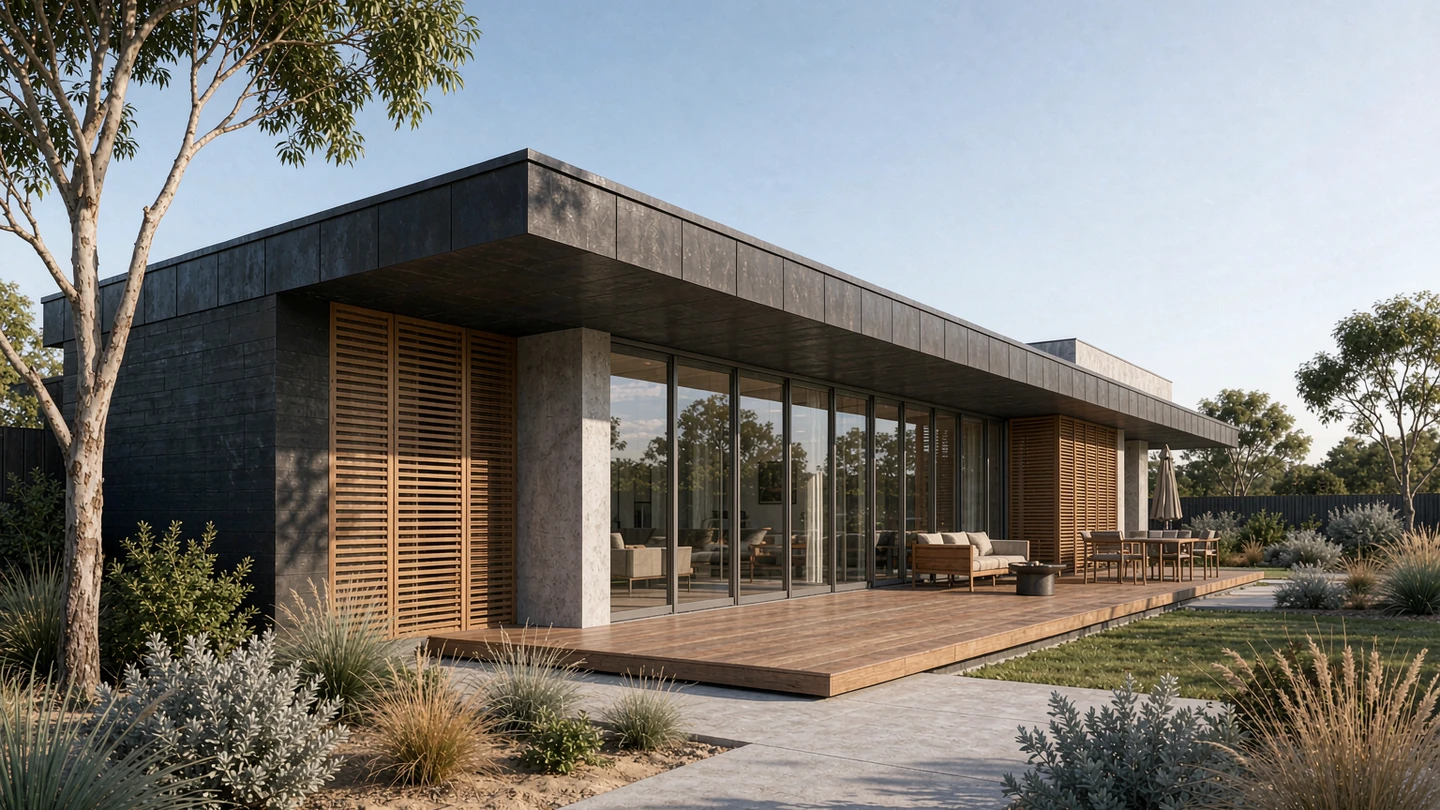
House with deep eave, timber screens
A wide overhanging roof shades sliding doors that open the living area onto a timber deck.

villa · day scene
Coastal house, full-height glazing
A raised concrete deck and full-height glazing turn the elevation toward the water, under a deep shaded veranda.
FAQ
Frequently asked
Do your aluminium windows and doors ship to Australia?
Yes. Modules ship to the major Australian ports in export-standard containers, with the loading plan for your schedule included in the quotation.
How do you handle cyclone zone specifications?
The zone class and the module schedule drive the specification. Engineering and glazing classification are confirmed at quotation against the AS 2047 and AS 1288 requirements, with a test unit available before production.
What is the difference between the 110 series 1.4 and 2.0 versions?
The 2.0 version adds a sixth chamber and increases wall thickness from 1.4 mm to 2.0 mm, giving higher section stiffness for larger lights, while keeping the same 110 mm module geometry.
Can we mix the 1.4 and 2.0 versions in one project?
Yes · the module geometry matches, so larger lights can run in 2.0 and standard lights in 1.4 from a single profile order.
Keep going
Series, market and range
Send your opening schedule
Series, glazing and finish come back as one quotation for Australia, with the full dimensional pack on PDF and CAD on request.